Custom software used to force a difficult choice. A business could adapt itself to a generic product, or fund a large team and a long implementation. Better development tools have opened a third path: a small expert team can build around the way the business actually works.
That does not make software automatic. It changes where skilled people spend their time.
Implementation is faster; understanding is still the work
Modern tools can accelerate routine code, integrations, tests, and documentation. They cannot decide which workflow matters most, why it is failing, what people will trust, or which tradeoff is right for the business.
Those questions require direct observation, judgment, and responsibility. The useful shift is that experienced builders can spend more of the engagement on them instead of paying a large coordination tax.
The product is the working system
Code is only one part of a business system. A complete implementation connects:
- the people responsible for the work;
- the information they need;
- the decisions and approvals they make;
- the software and integrations already in use;
- the exceptions that cannot be automated safely; and
- the operating plan after launch.
A faster coding process is valuable only when all of those pieces still work together.
What a client should expect
Smaller delivery teams should increase clarity, not lower the standard. A serious engagement still needs:
- A clear problem definition. The team can explain the root cause in business language, not only repeat the requested feature.
- A complete workflow. The implementation covers normal work, exceptions, permissions, and recovery.
- Visible acceptance checks. The client can see what success means and whether the system meets it.
- A responsible launch. Ownership, monitoring, support, and change are defined before the system becomes daily infrastructure.
- A human commercial decision. Scope, price, and commitments are reviewed and approved by people.
AI may support the work behind the scenes. It is not the service the client is buying.
Where the model works best
The strongest fit is an important workflow that is too specific for off-the-shelf software and too costly to leave manual. The business understands the pain but may not know what the right system should look like.
Examples include exception routing, multi-step approvals, client onboarding, field operations, document-heavy reviews, and work split across several disconnected tools.
The starting point is not a technology selection. It is one recurring problem with a measurable business consequence.
Fewer handoffs, clearer responsibility
When the same expert team understands the workflow, designs the system, implements it, and stays through launch, less meaning is lost between disciplines. Questions reach the people who can change the system. Decisions stay connected to the original problem.
That is the durable advantage of a small team: not simply lower cost or faster code, but a shorter path from business reality to a system that works.
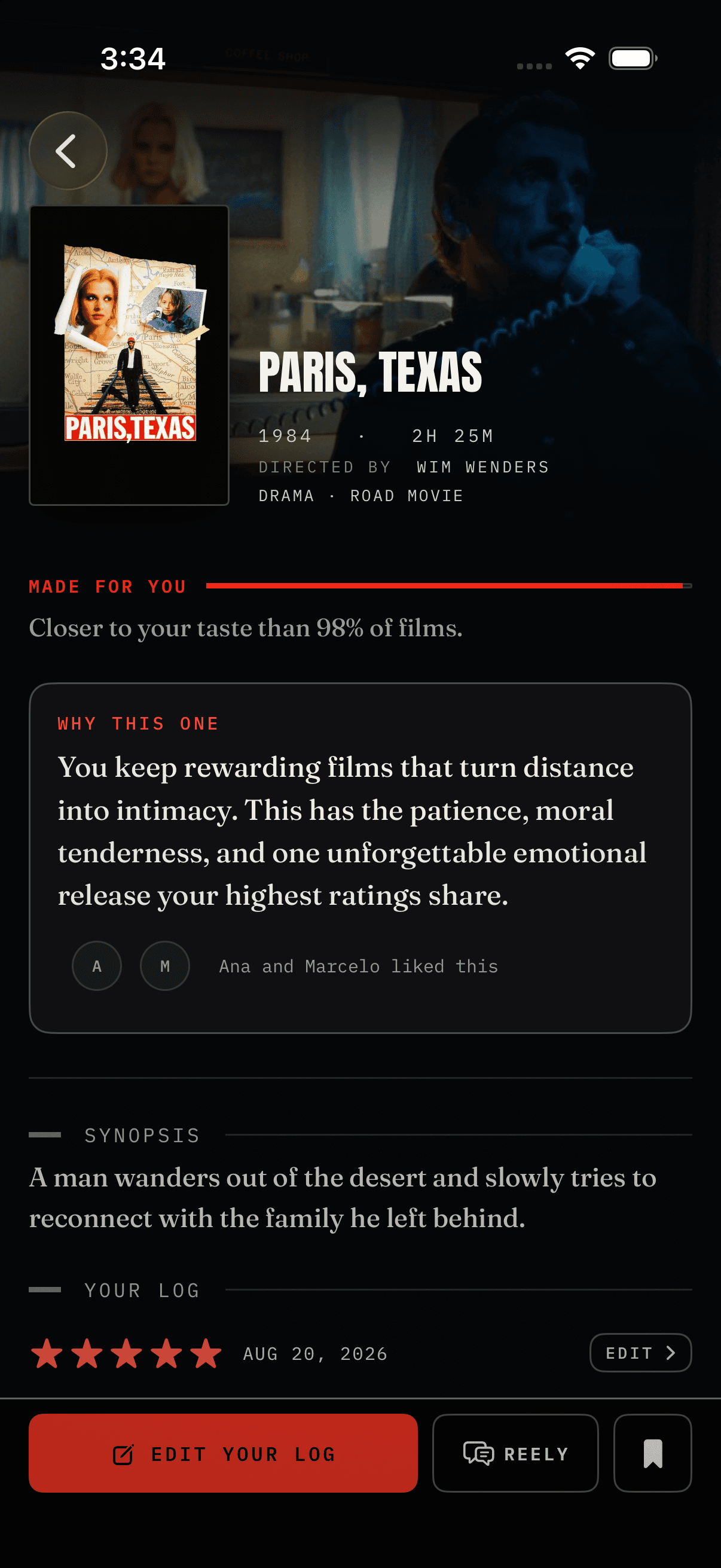
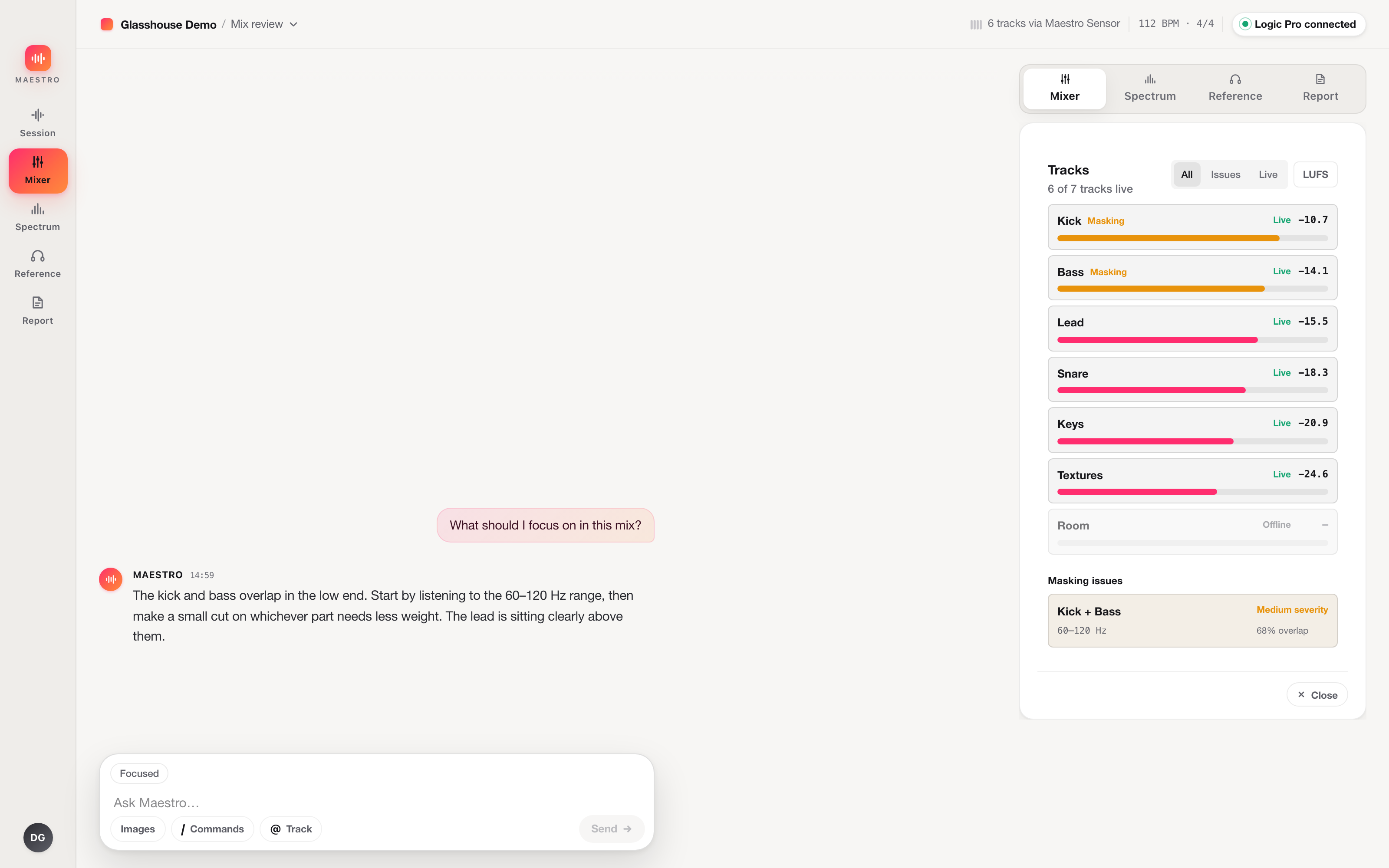
 Maestro development preview · synthetic session data